Source Foldable Silicone Drinking Straws for Travel, Office, and Home
Compare 30 listings for foldable silicone drinking straws suitable for reusable, eco-friendly use. These food-grade silicone options offer temperature resistance and customizable colors for various sourcing needs. Buyers can evaluate material safety, dimensions, and packaging details to find the best fit for their brand requirements.
Key considerations
Products List


Comprehensive Sourcing Guide
Foldable Silicone Drinking Straws Sourcing Guide
Buyers evaluating foldable silicone drinking straws must first distinguish between rigid and flexible variants, as the market offers distinct product profiles under this keyword. The observed listings indicate a primary focus on reusable, food-grade silicone straws designed for durability and temperature resistance ranging from -40℃ to +250℃. These products are explicitly marketed as non-disposable alternatives to single-use plastics, often featuring customizable colors and shapes to meet specific branding or aesthetic requirements.
Procurement teams should verify whether the "foldable" attribute refers to a collapsible design or simply a flexible, bendable tube structure, as the supplied data shows models with specific folded dimensions alongside standard tube shapes. While some listings highlight eco-friendly features and BPA-free composition, the physical form factor varies significantly between suppliers, with some offering single-item packaging and others providing bulk OPP bag configurations. Understanding this distinction is critical before initiating any supplier engagement to ensure the physical product matches the intended use case.
Product Scope and Observed Listing Signals
The current market signals for foldable silicone straws reveal a wide variance in minimum order quantities, ranging from 50 units to over one million pieces, which directly impacts procurement strategy for small versus large enterprises. Most observed listings specify a standard MOQ of 1000 pieces, yet the flexibility in order volume allows buyers to negotiate based on their inventory needs and cash flow constraints. This broad range suggests that suppliers are willing to accommodate diverse business models, from boutique retailers to large-scale corporate gifting programs.
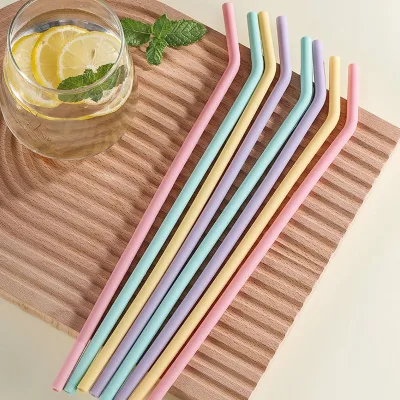
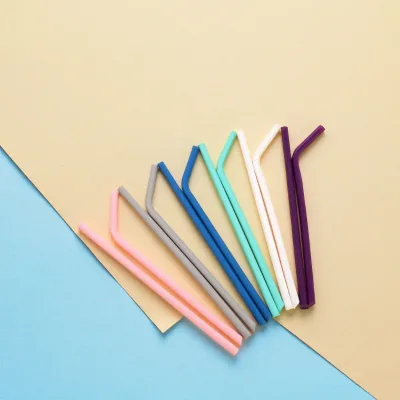
Product attributes observed in the listings emphasize customization capabilities, including color options like pink, yellow, and blue, as well as the ability to tailor dimensions and packaging. The presence of OEM branding and custom color requests indicates that these straws are frequently used as promotional items or private-label products. Buyers must carefully review the single package size and gross weight specifications, as these logistical details vary by model and can significantly influence shipping costs and storage requirements in the supply chain.
Technical Specifications to Verify
When assessing technical specifications, buyers must confirm the exact material composition, as some listings specify food-grade silicone while others list generic plastic materials that may not meet the same safety standards. The temperature resistance range of -40℃ to +250℃ is a critical performance metric for silicone variants, ensuring the straws can withstand hot beverages and freezing conditions without degrading. It is essential to request specific test data for the material used in the specific model number, such as HC-A011 or GP-B006, to validate these claims against actual product performance.
Dimensional accuracy is another vital verification point, with observed standards citing lengths of 360mm or 250mm and diameters around 10mm or 5mm. Buyers should verify whether the "foldable" nature of the straw involves a specific folding mechanism that reduces the length from 250mm to 150mm, or if it simply refers to the flexibility of the tube. Confirming the unfolded and folded dimensions is necessary to ensure the product fits into intended carrying cases or packaging, particularly for travel-oriented marketing strategies.
Compliance and Safety Documentation
Safety compliance is paramount for drinking straws, and buyers should prioritize suppliers who provide valid LFGB and FDA certifications to ensure the product is safe for food contact. The observed listings frequently mention these certifications, but verification is required to confirm that the specific batch or model number carries the current, valid documentation rather than a generic claim. Additionally, some suppliers list SGS standards or CIQ certifications, which serve as further evidence of quality control and regulatory adherence in the manufacturing process.
Beyond material safety, buyers must ensure that the product meets the specific regulatory requirements of the target market, as standards can vary by region. The presence of "BPA Free" and "Food Grade" labels is common, but these terms should be backed by official test reports rather than just marketing copy. It is advisable to request a copy of the most recent certification documents for the specific model being sourced to avoid potential legal liabilities or product recalls in the destination country.
Cost Drivers and Commercial Terms
The cost of foldable silicone straws is influenced by several factors, including the complexity of the mold, the volume of the order, and the level of customization required for colors and branding. While the observed price range is listed as 0 to 2.65 USD, this likely represents a broad spectrum from basic bulk orders to highly customized, low-volume runs. Buyers should expect that higher customization levels, such as specific color matching or unique packaging designs, will increase the unit price and potentially the minimum order quantity.
Commercial terms regarding packaging and shipping are also significant cost drivers, with options ranging from simple OPP bags to custom cartons containing 40 pieces per bag and 250 bags per carton. The single gross weight of 2.0 kg and package dimensions of 30x20x30 cm are critical for calculating freight costs, which can vary substantially depending on the total order volume. Negotiating these terms early in the process helps in accurately forecasting the total landed cost and ensuring that the product remains competitive in the final retail market.
Supplier Qualification and Quality Control
Supplier qualification should focus on verifying the place of origin, as the data indicates manufacturing primarily in Fujian and Guangdong, China, regions known for silicone production. Buyers must assess the supplier's capacity to maintain consistent quality across large production runs, especially given the wide range of MOQs observed in the market. It is crucial to confirm that the supplier has a robust quality control system in place to handle the specific requirements of food-grade silicone, ensuring that every batch meets the stated safety and performance standards.
Quality control checks should include visual inspections for defects such as uneven coloring, surface imperfections, or structural weaknesses in the foldable sections. Since the product is reusable, durability testing is essential to ensure the straws can withstand repeated use without tearing or losing their shape. Buyers should request samples for internal testing before committing to a large order, focusing on the flexibility, temperature resistance, and overall finish of the product to validate the supplier's claims.
Long-Term Procurement Checks
Establishing a long-term procurement relationship requires regular audits of the supplier's ability to maintain consistent quality and meet delivery timelines. Buyers should implement a schedule for periodic re-verification of certifications and material safety reports, as regulatory requirements and manufacturing processes can change over time. Maintaining open communication channels with the supplier ensures that any updates in product specifications or standards are promptly addressed, preventing disruptions in the supply chain.
Finally, buyers must monitor market trends and competitor offerings to ensure their sourced products remain competitive in terms of design, functionality, and price. The foldable silicone straw market is evolving, with new features and materials emerging regularly. By staying informed and maintaining a flexible procurement strategy, buyers can adapt to these changes and continue to offer high-quality, safe, and innovative products to their customers.
FAQs
What certifications do these silicone straws have?
These straws hold LFGB and FDA certifications, ensuring they meet strict food safety standards for direct contact. Some listings also reference SGS standards. This compliance guarantees the material is safe for repeated use with hot or cold beverages, providing peace of mind for health-conscious consumers and businesses seeking reliable, certified reusable drinkware solutions.
Can these straws be customized in color?
Yes, customization is available for color, allowing buyers to select specific shades like pink, yellow, or blue. The product supports customized branding options to match corporate identities or event themes. This flexibility enables businesses to create unique, branded reusable straws that stand out in the market while maintaining the high quality of food-grade silicone material.
What is the minimum order quantity for these straws?
The minimum order quantity is typically 1000 pieces, though some suppliers may accept orders starting from 50 units. This range accommodates both small trial orders and larger bulk purchases. Buyers should verify specific MOQ requirements with individual suppliers to ensure alignment with their inventory needs and budget constraints for sourcing reusable silicone drinking accessories.
How temperature resistant are these silicone straws?
These straws withstand temperatures ranging from -40°C to +250°C, making them suitable for both freezing and boiling liquids. This wide thermal resistance ensures durability during dishwasher cleaning and use with hot beverages. The material remains flexible and safe across this spectrum, offering a versatile solution for various drinking applications without degrading or releasing harmful substances.
Are these straws reusable or disposable?
These straws are explicitly non-disposable and designed for long-term reuse. Made from durable food-grade silicone, they resist wear and tear from frequent washing. This reusability reduces waste compared to single-use alternatives, offering an eco-friendly option for restaurants, cafes, and households committed to sustainable practices while enjoying the convenience of flexible, colorful drinking accessories.
What packaging options are available for these straws?
Packaging typically includes OPP bags, with bulk quantities packed at 40 pieces per bag and 250 bags per carton. Custom packaging solutions are also available according to customer requirements. This flexible packaging approach protects the straws during transit and allows for efficient storage and distribution, catering to diverse logistical needs for bulk orders of reusable silicone drinking straws.